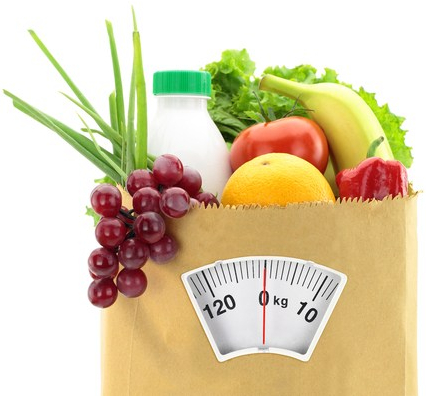
Research has proved that diet counselling and diet analysis contribute significantly to the control of diabetes by prescribing a diet suitable to diabetic patients, thus preventing complications. In addition to the obvious function of catering to the nutritional requirements of patients, it also has a direct influence on the morale and attitudes of patients and their families.
Nutrition and physical activity are important parts of a healthy lifestyle when you have diabetes. Along with other benefits, following a healthy meal plan and being active can help you keep your blood sugar in your target range.
To manage your blood glucose, you need
- Keep a balance between what you eat and drink
- Indulge in regular physical activity
- Regularly taking diabetes medicine, if you take any
What else is important to manage your sugar levels?
- What you choose to eat
- How much you eat, and
- When you eat
Making changes in what you drink and eat may not be as tough as it seems. Small changes can add up to significant beneficial changes in lifestyle.
Eating well and being physically active most days of the week can help you with:
- Keeping your blood glucose level, blood pressure, and cholesterol in your target ranges
- Lose weight or stay at a healthy weight
- Prevent or delay diabetes related problems
- Feel good and have more energy
What foods can I eat if I have diabetes?
Diet plan should be balanced and individualized. The calculated caloric requirement should allow the patient to lose or gain weight as required and maintain body weight close to the ideal/ desirable body weight.
Maintain a small food diary and track all the different food items you consume in a day. You will be amazed at the amount and type of food you eat.
What to eat and Not eat or in restricted amounts.
- Try and Include salads in lunch and dinner
- Include more of Jowar, Bajra whole wheat flour, Red poha, parboiled rice
- Restrict refined and starchy food items such as maida, rava, white bread, potatoes
- Include loads of green leafy vegetables such a methi, paalak, amaranth ,radish leaves and 1 or 2 helpings of fruits such as Oranges, Papaya, Mosambi a.k.a. sweet Lime, Guava or Apple, Pear
- Consumption of sweet tasting fruits need to be restricted; for ex. Sitaphal a.k.a custard apple, Chickoo a.k.a Saptoa, sweet Bananas, Grapes, Mangoes etc.
- Daily fibre intake should be at least 20-35 g. Fibre helps to reduce postprandial blood glucose levels and blood cholesterol
- Eat diet low in glycemic index which helps keep the blood sugars in normal range
- Butter, Ghee, Coconut oil and Palm oil are rich in saturated fats and their consumption should be restricted
- Filtered oil, Mustard oil, Corn oil, Sunflower oil, Groundnut oil, Rice-bran oil and Gingelly a.k.a. Sesame oil are more preferred as they contain less than 10 percent saturated fats and the ration of monounsaturated and polyunsaturated fats vs the remaining fat is 1:1
- Olive oil best used for salads in Indian cooking. Avoid trans fats such as Margarine and Dalda/ Vanaspathi
- Chew your food well
- Include 4-6 small frequent meals rather than 3- big meals a day
- When you shop, cook or eat out, make healthy choices
- Avoid Table salt and restrict use of processed foods
- It is very important to drink sufficient amounts of water (at least 8-12 glasses daily)
- An obese patient should restrict calories through reduction in the intake of carbohydrate and fat. Ensure that food is eaten not only at the appropriate time but also in appropriate quantities.
 Dr. Surlikar's Clinic